
Warum sich Investitionen in Luxus langfristig lohnen?
Luxus wird oft als Genuss betrachtet – doch weise gewählt, ist er eine Investition. Wahrer Luxus dreht sich nicht um Statussymbole oder kurzlebige Trends. Es geht um Handwerkskunst, Langlebigkeit, emotionalen Wert und langfristige Leistung. Im Laufe der Zeit erweisen sich hochwertige Luxusartikel oft als wirtschaftlicher, bedeutungsvoller und befriedigender als billigere Alternativen.
Hier erfahren Sie, warum sich eine Investition in Luxus langfristig auszahlt.
Warum sich Investitionen in Luxus langfristig lohnen?
1. Überlegene Handwerkskunst hält jahrzehntelang
Luxusartikel sind auf Langlebigkeit ausgelegt.
Sie zeichnen sich aus durch:
-
Handgefertigte oder Kleinserienfertigung
-
Liebe zum Detail
-
Geschickte Handwerkskunst
-
Strenge Qualitätskontrolle
Im Gegensatz zu Massenprodukten sind Luxusartikel so konzipiert, dass sie über viele Jahre hinweg genutzt, repariert und geschätzt werden können.
2. Hochwertige Materialien altern wunderschön
Luxusmaterialien verschlechtern sich nicht – sie entwickeln Charakter.
Beispiele hierfür sind:
-
Vollnarbenleder, das eine Patina entwickelt
-
Massivholz, das einen tieferen Farbton annimmt
-
Naturmetalle, die an Ausdruckskraft gewinnen
-
Hochwertige Stoffe, die ihre Struktur behalten
Anstatt abgenutzte Artikel wiederholt zu ersetzen, verbessert sich Luxus mit der Zeit.

3. Geringere Kosten pro Nutzung im Laufe der Zeit
Obwohl die Anschaffungskosten höher sind, ist Luxus langfristig oft günstiger.
Beispiel:
-
Ein hochwertiger Artikel, der 10–20 Jahre hält
-
Mehrere preiswerte Ersatzprodukte im gleichen Zeitraum
Luxus reduziert Abfall, Ersatzkosten und Unannehmlichkeiten.
4. Zeitloses Design vermeidet Trendmüdigkeit
Luxus jagt keinen Trends hinterher – er überdauert sie.
Zeitloses Design gewährleistet:
-
Langfristige Relevanz
-
Einfache Kombination mit sich entwickelnden Stilen
-
Kein Druck, Artikel saisonal zu ersetzen
Diese Stabilität erhöht sowohl den finanziellen als auch den ästhetischen Wert.
5. Emotionaler und erlebnishafter Wert
Luxus bereichert alltägliche Momente.
Er bietet:
-
Freude im täglichen Gebrauch
-
Vertrauen und Zufriedenheit
-
Emotionale Bindung
-
Persönliche Geschichten
Artikel, die täglich Freude bereiten, liefern Erträge jenseits des Geldes.
6. Starker Wiederverkaufs- und Sammlerwert
Bestimmte Luxusartikel behalten ihren Wert oder steigen sogar im Wert.
Beispiele:
-
Handgefertigte Messer
-
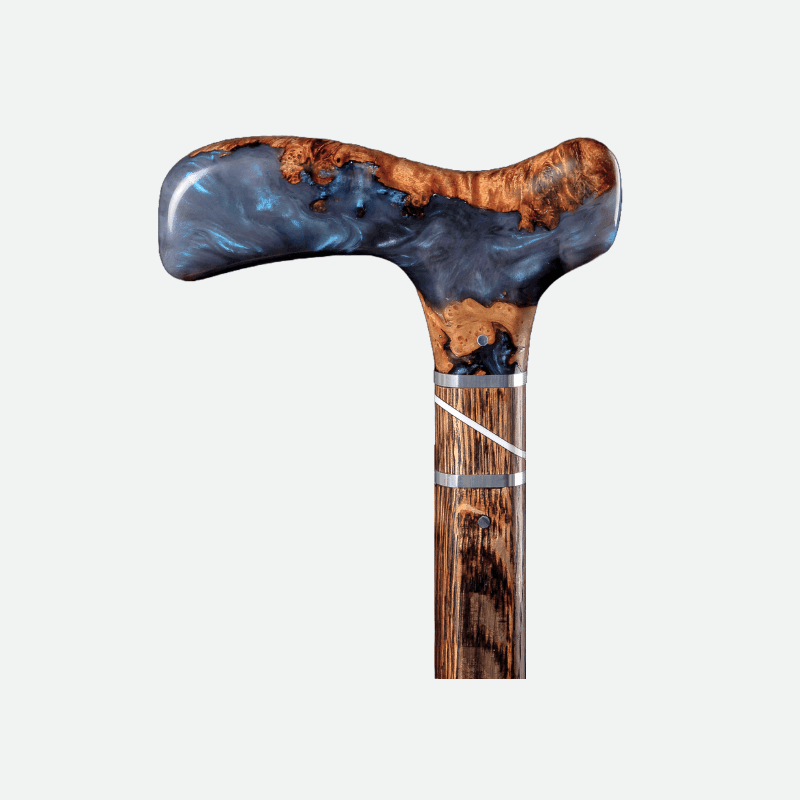
Luxus-Gehstöcke
-
Designer-Accessoires
-
Limitierte Objekte
Gepflegte Luxusstücke haben oft eine starke Nachfrage auf dem Sekundärmarkt.
7. Nachhaltigkeit durch Langlebigkeit
Die Investition in weniger, aber bessere Artikel unterstützt die Nachhaltigkeit.
Luxus fördert:
-
Weniger Abfall
-
Ethische Produktion
-
Bewusster Konsum
-
Reduzierte Umweltbelastung
Haltbarkeit ist eine oft übersehene Form der Nachhaltigkeit.
8. Persönliche Identität und Vermächtnis
Luxusartikel werden oft Teil des persönlichen Vermächtnisses.
Sie sind:
-
Werden über Generationen weitergegeben
-
Mit Lebensmeilensteinen verbunden
-
Über Trends hinaus geschätzt
Diese langfristige emotionale Relevanz unterscheidet Luxus.
Luxus vs. Billig: Die langfristige Realität
Günstige Produkte:
-
Geringere Anschaffungskosten
-
Kurze Lebensdauer
-
Häufiger Austausch
Luxusprodukte:
-
Höhere Anfangsinvestition
-
Langanhaltender Wert
-
Emotionaler und finanzieller Ertrag
Luxus priorisiert Wert über Preis.

Abschließende Gedanken
In Luxus zu investieren bedeutet nicht, mehr auszugeben, sondern besser zu wählen. Wenn man sich auf Handwerkskunst, Materialien und zeitloses Design konzentriert, wird Luxus zu einem langfristigen Gut, das Jahr für Jahr Beständigkeit, Zufriedenheit und Bedeutung liefert.