
Choosing the Right Handle Style of Luxury Umbrellas
I didn’t think I would ever care about an umbrella handle.
It felt like one of those details that only existed for designers or collectors—something to admire briefly and then forget. But one rainy afternoon changed that in a way I didn’t expect.
I was walking longer than usual, the kind of slow, steady rain that doesn’t demand urgency but refuses to leave. At some point, I became aware of my hand. Not tired, not uncomfortable exactly—but aware. The handle I was holding felt slightly wrong. Too smooth, a little slippery, almost detached from the experience.
It distracted me more than the rain itself.
That’s when I realized something I had overlooked for years. The only part of an umbrella you truly experience is the handle. Everything else is distance. The canopy shields you, the frame holds structure—but the handle is where the object meets you.
That realization stayed with me.
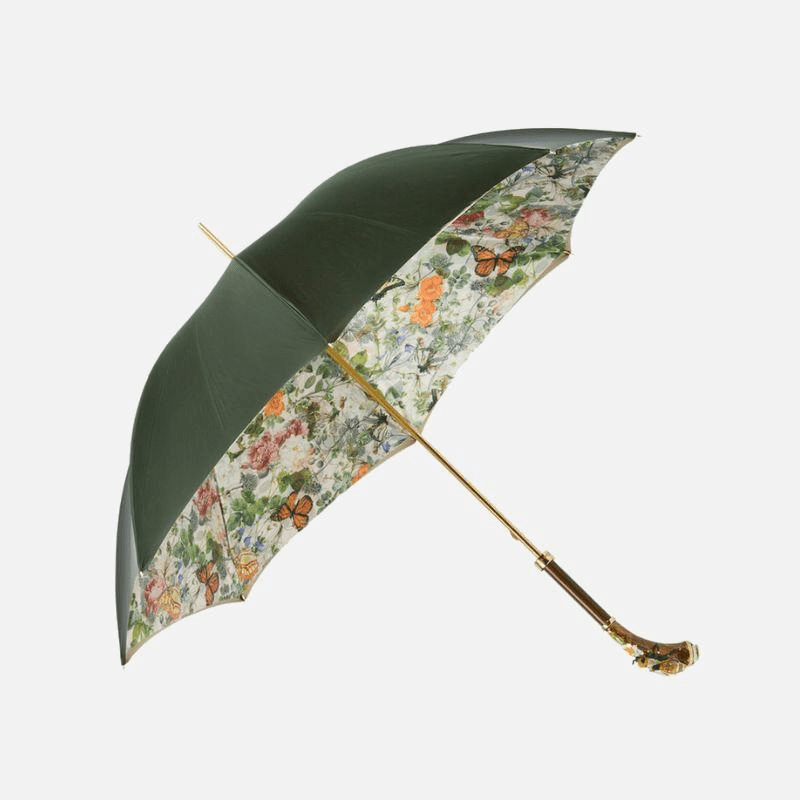
Later, I tried a different umbrella without thinking too much about it. It had a curved wooden handle, nothing overly decorative, just a simple shape that felt natural the moment I picked it up. I didn’t analyze it at first. I just noticed that my hand didn’t need to adjust.

It rested there, quietly.
The difference was subtle, but persistent. I could walk longer without shifting my grip. When I stepped indoors, I could hook it over my arm without thinking. It became part of my movement rather than something I had to manage.
That’s when I started paying attention.
Handles, I realized, aren’t just visual choices. They shape how you interact with the umbrella over time. Straight handles, for example, feel more deliberate. There’s a firmness to them, a sense of control. You hold them with intention, and they respond in a predictable way.
But they also demand something in return.
Your grip has to stay engaged. It’s a small effort, but over time, you notice it. Especially if you’re walking longer distances or carrying other things. It’s not uncomfortable, just… present.
Curved handles feel different.
They don’t ask for the same level of attention. Your hand relaxes around them. There’s less tension, less need to adjust. And when you’re not actively holding the umbrella, they offer that small convenience of hanging naturally on your arm.
That detail sounds insignificant until you experience it repeatedly.
Material changes the experience even more.
Wood, especially, carries a kind of quiet warmth. Not in a dramatic way, but enough to notice when you switch from something synthetic. It doesn’t feel cold when you first pick it up. It doesn’t feel artificial after prolonged use.
It feels stable, but alive.
Over time, I started to notice how different woods behave. Some are smoother, almost polished to the point where they feel distant. Others retain a slight texture, a reminder that they came from something organic. That texture can either feel grounding or slightly rough, depending on how it’s finished.
And that’s where things become personal.
Metal handles, on the other hand, create a completely different impression. They look striking, often more modern or bold. But in use, they can feel colder, heavier. There’s a certain rigidity to them that doesn’t soften over time.

I found myself appreciating them visually more than physically.
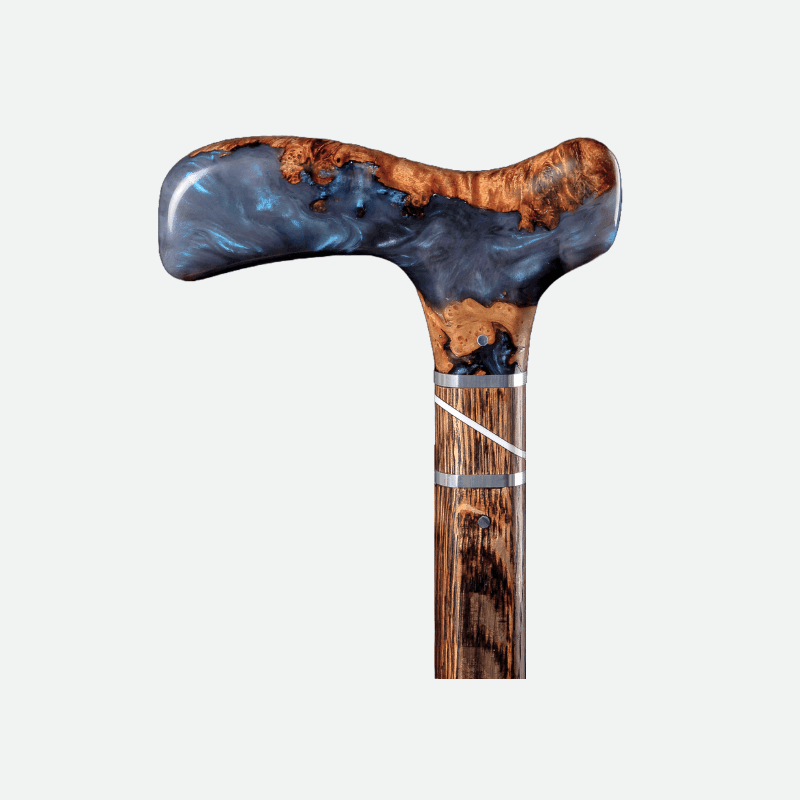
Then there are more sculptural handles. Carved shapes, unusual forms, sometimes even symbolic designs. They draw attention immediately. You notice them before anything else. And for a moment, that feels exciting.
But living with them is different.
They change the balance of the umbrella, sometimes subtly, sometimes more noticeably. They also change how you hold it. Instead of adapting to your hand, your hand adapts to them. That’s not necessarily a flaw, but it requires intention.
Not everyone wants that in something they use every day.
Over time, I started to understand that the “right” handle isn’t about choosing the most beautiful one. It’s about choosing the one that disappears into your routine. The one you don’t think about after a few minutes.
That’s harder to identify than it sounds.
Because at first, attention goes to what stands out. The unique shape, the rare material, the detail that feels different. But those things don’t always translate into comfort. And comfort, in something used repeatedly, becomes more valuable than visual impact.
That doesn’t mean aesthetics don’t matter.
They do, but in a quieter way. A well-shaped wooden handle doesn’t need to announce itself. It integrates into the overall design without dominating it. It supports the experience instead of defining it.
And that balance is difficult to achieve.
There are small flaws, of course.
Wood can change over time. It can develop marks, slight shifts in texture, signs of use that can’t be reversed. Personally, I’ve come to appreciate that. It makes the object feel lived with. But I understand why some might prefer something more consistent.
Curved handles, while comfortable, don’t always offer the same precision in strong wind. There’s a slight trade-off between ease and control. It’s not dramatic, but noticeable if you pay attention.
And more decorative handles, while visually interesting, can feel impractical over longer periods. They hold your attention, but sometimes at the cost of simplicity.

These aren’t major issues.
But they shape the experience in subtle ways.
What surprised me most is how much this small detail changed my perception of everyday objects. I started noticing other things differently. How a door handle fits in your hand. How a pen balances when you write. How small points of contact define your relationship with something more than its overall appearance.
It made me slower in how I choose things.
More attentive, but also more selective.
Because once you realize that the smallest detail can affect your experience over time, it becomes harder to ignore. You start looking for things that don’t just look right, but feel right in use.
That shift isn’t dramatic, but it stays with you.
So who is this really for?
Not for someone who just needs an umbrella for occasional use. Not for someone who replaces things easily without thinking about them.
It’s for those who notice small differences. Who value how something integrates into their daily routine. Who don’t mind spending time choosing something that will be used often, even if it seems like a minor detail.

Would I recommend paying attention to handle style?
Yes, but not in a technical way.
Not as a checklist or a comparison of features.
Just as an awareness.
Because once you notice how something feels in your hand over time, you won’t choose the same way again. And that’s when even something as simple as an umbrella starts to feel more considered, more personal.
Not because it’s different.
But because you are.